
The SWANA Shift: How to Talk About Middle Eastern and North African Stories in 2026
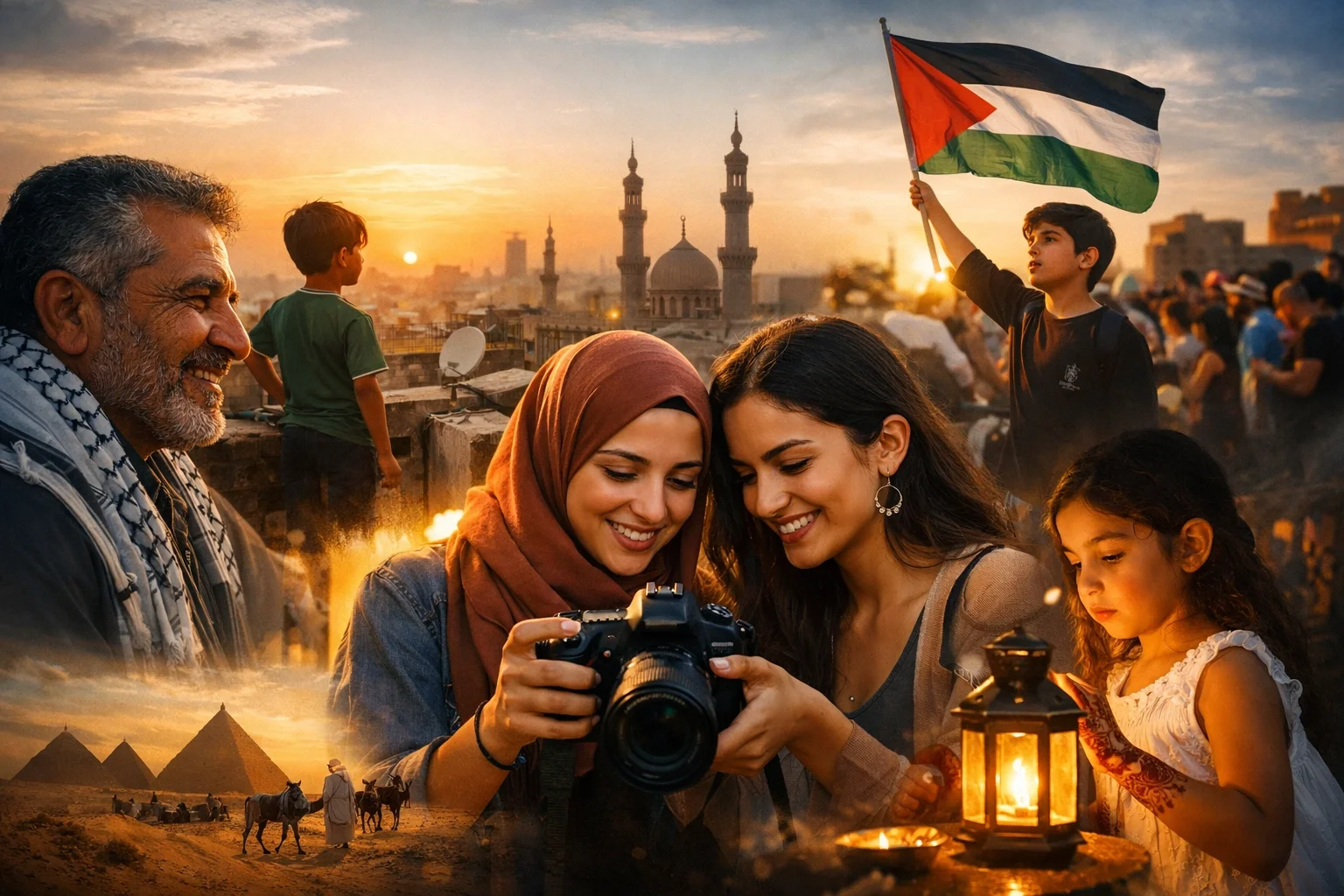
Are you still relying on acronyms that feel more like geopolitical chess moves than human identities? Is your media curriculum or conference lineup reflecting a world that moved on three years ago?
In 2026, the landscape of storytelling isn't just changing; it’s being entirely rebuilt. The way we talk about, teach, and produce stories from the Middle East and North Africa has undergone a seismic transition. If you’re still using "MENA" without questioning its origins, you’re likely missing the heartbeat of the modern creative movement.
At NY/LA Productions, we believe that diversity isn’t noise; it’s harmony. But to reach that harmony, we have to use the right notes.
the language of liberation: why swana matters
For decades, the term "MENA" (Middle East and North Africa) was the industry standard. It was clean. It was professional. It was also deeply colonial.
The term "Middle East" was coined by outsiders: specifically the British India Office in the 19th century: to describe a region’s proximity to Europe. It defines a massive, diverse group of people based on where they stand in relation to a Western center.
SWANA stands for South West Asian and North African.
It is a geographical term, not a political one. It is a reclamation of identity that centers the land and the people rather than the colonial gaze. By 2026, this isn't just a niche preference; it is the primary way Gen Z and Alpha creators from these regions identify themselves.
For universities and media conferences, using SWANA isn’t just about being "politically correct." It’s about being accurate. It’s about signaling to your students and attendees that you understand the nuance of indigenous identity.
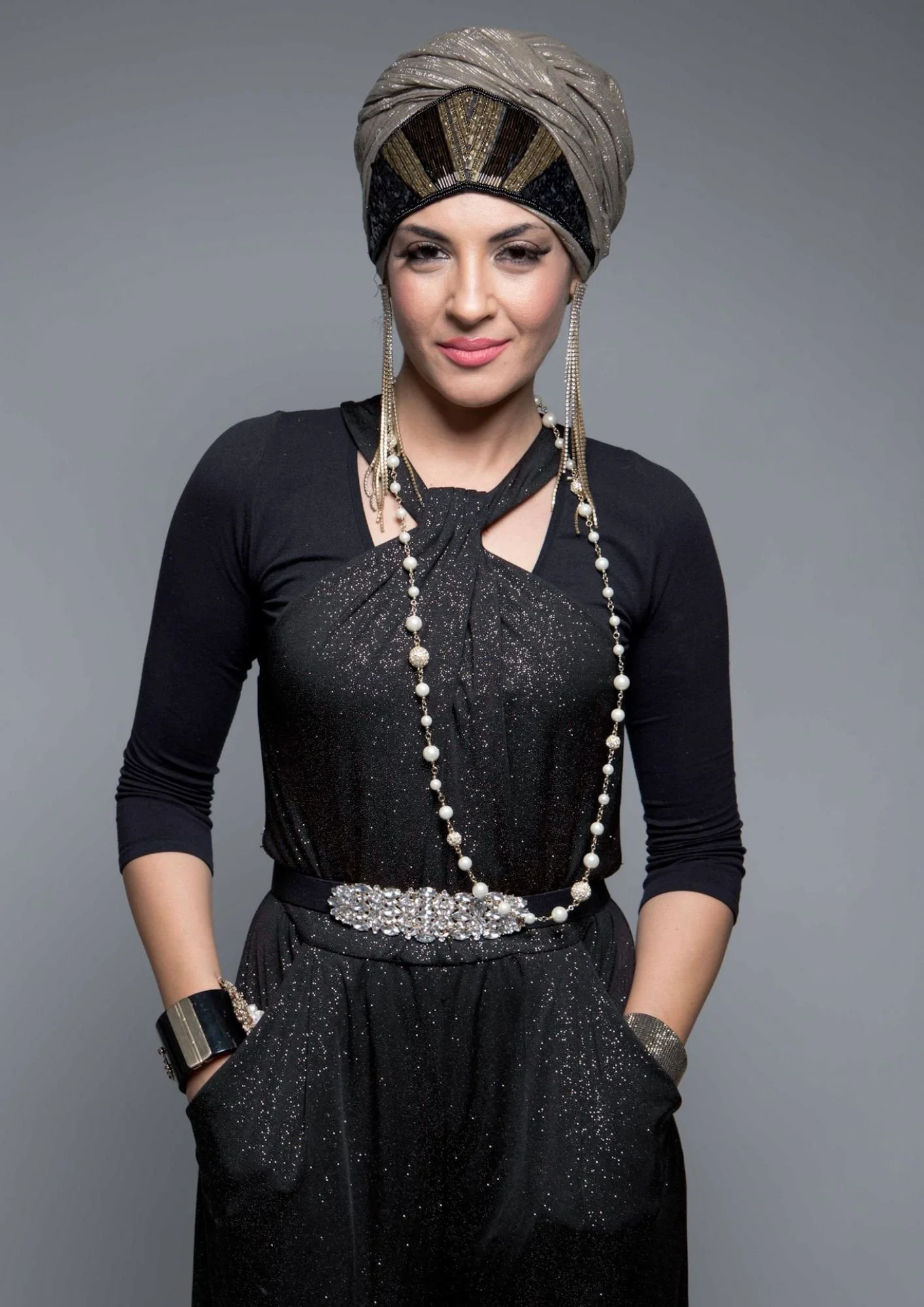
beyond the monolith: the connective zone
One of the biggest mistakes media curators make is treating the SWANA region as a unified "scene."
In reality, SWANA is a connective zone. It is the bridge linking Africa, South Asia, and the Eastern Mediterranean. In 2026, we are seeing a "parallel push toward specificity." We aren't just looking for "Arab stories." We are looking for stories that insist on local histories, specific dialects, and the unique rhythms of a neighborhood in Amman or a suburb in Casablanca.
When you organize your next event, ask yourself:
Are we grouping these stories because they share a language, or because they share a struggle?
Are we acknowledging the vast differences between a diaspora story in Los Angeles and a local story in Beirut?
Are we highlighting the South West Asian portion of the acronym, or are we stuck in a loop of North African narratives only?
the 2026 publishing boom and the "suffering" trap
The first half of 2026 alone has seen over 65 major SWANA titles hit the shelves. From speculative fiction to sapphic romances, the variety is staggering. However, there is a catch.
Historically, the publishing and film industries have had a complicated relationship with our stories. Too often, the "appetite" for SWANA narratives correlates directly with regional suffering. If there is a war, there is a book deal. If there is a crisis, there is a documentary.
This is what we call "trauma porn," and it’s a cycle we are actively breaking at NY/LA Productions.
In 2026, the shift is toward author-driven narratives that span every genre imaginable. We are seeing:
Arabfuturism: Speculative fiction that imagines a future where our cultures thrive, unburdened by the weight of current geopolitical conflicts.
Intimate Sagas: Stories of memory, family joy, and the quiet complexities of identity that have nothing to do with headlines.
Coming-of-Age: Narratives that allow SWANA youth to be messy, romantic, and ordinary.
Authentic storytelling is about reclaiming agency. It is about recognizing that there is always more to our stories than what appears in English-language print or on the nightly news.
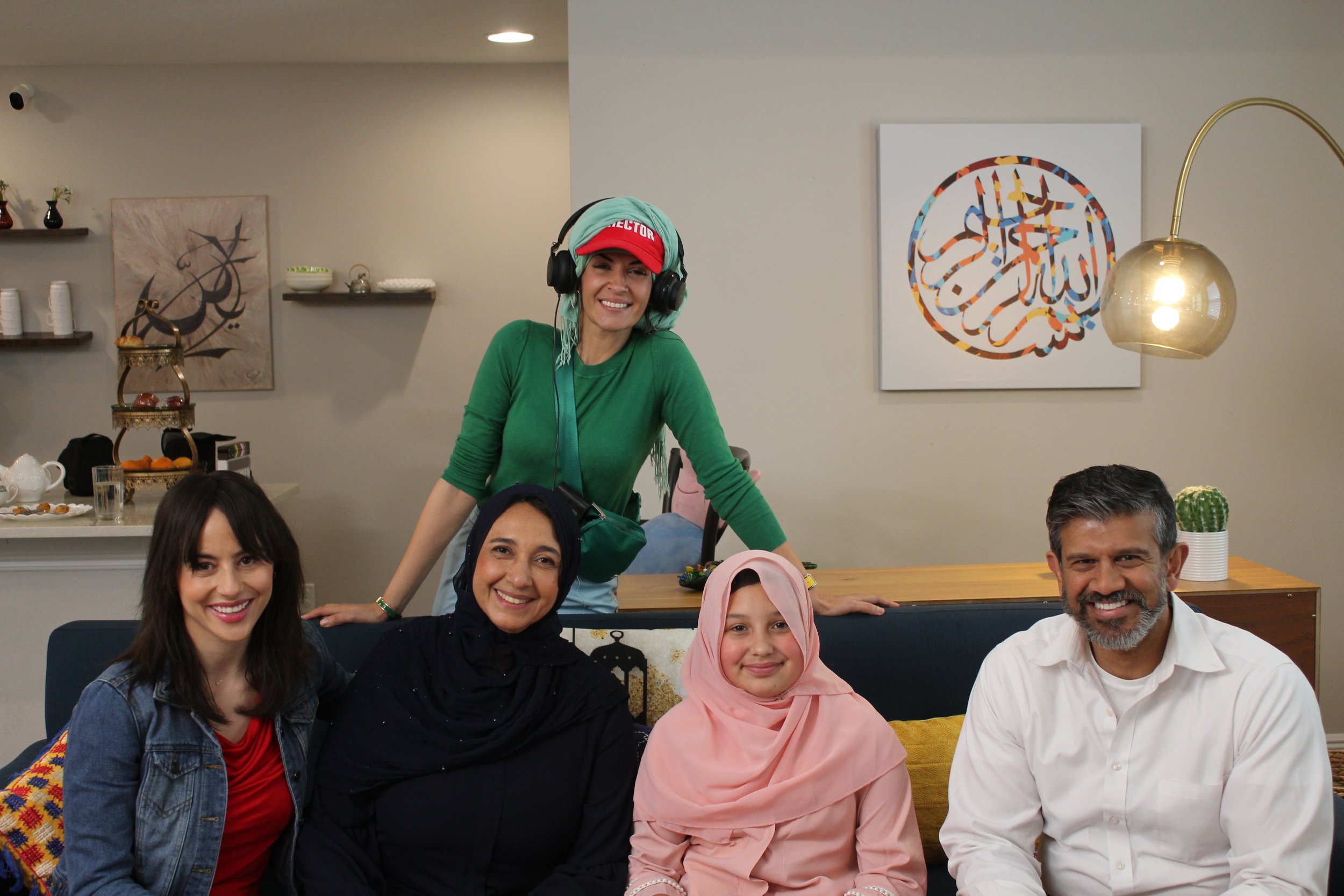
authentic representation beyond documentation
Take, for example, the Afghan women’s writers group that surfaced a few years ago. Instead of waiting for a traditional publisher to grant them a platform, they used WhatsApp to document their lives, creating an archive of refuge and shared artistic space.
This is innovation. This is the future of how stories are told.
For media conferences and universities, the lesson is clear: don't just look for the stories that are "fit to print" in the West. Look for the stories being told in the margins. Look for the creators who are using technology to bypass traditional gatekeepers.
When you bring a speaker to your campus or stage, ensure they aren't there just to "explain" their trauma. Invite them to discuss their craft, their innovation, and their vision for the future.
practical steps for universities and media organizers
How do you actually implement the "SWANA Shift" in your organization? It starts with moving from tokenism to community engagement.
Audit Your Terminology: Update your internal style guides. Replace MENA with SWANA where appropriate, especially in academic and creative contexts.
Highlight Specificity: Instead of a "Middle Eastern Film Night," try a "Levantine Short Film Showcase" or a "Maghreb Animation Spotlight." Specificity breeds authenticity.
Center Joy and Innovation: For every panel on "Conflict in the Middle East," host one on "Digital Art Movements in Tehran" or "The Rise of SWANA Speculative Fiction."
Engage the Diaspora: Universities should look to their student bodies. Many students are already organizing workshops on tatreez (traditional embroidery storytelling) or regional history. Support these initiatives with funding and institutional visibility.
Hire Experts: Don't guess. Bring in voices who live and breathe this shift. Our Speaking Engagements are designed to bridge this exact gap.
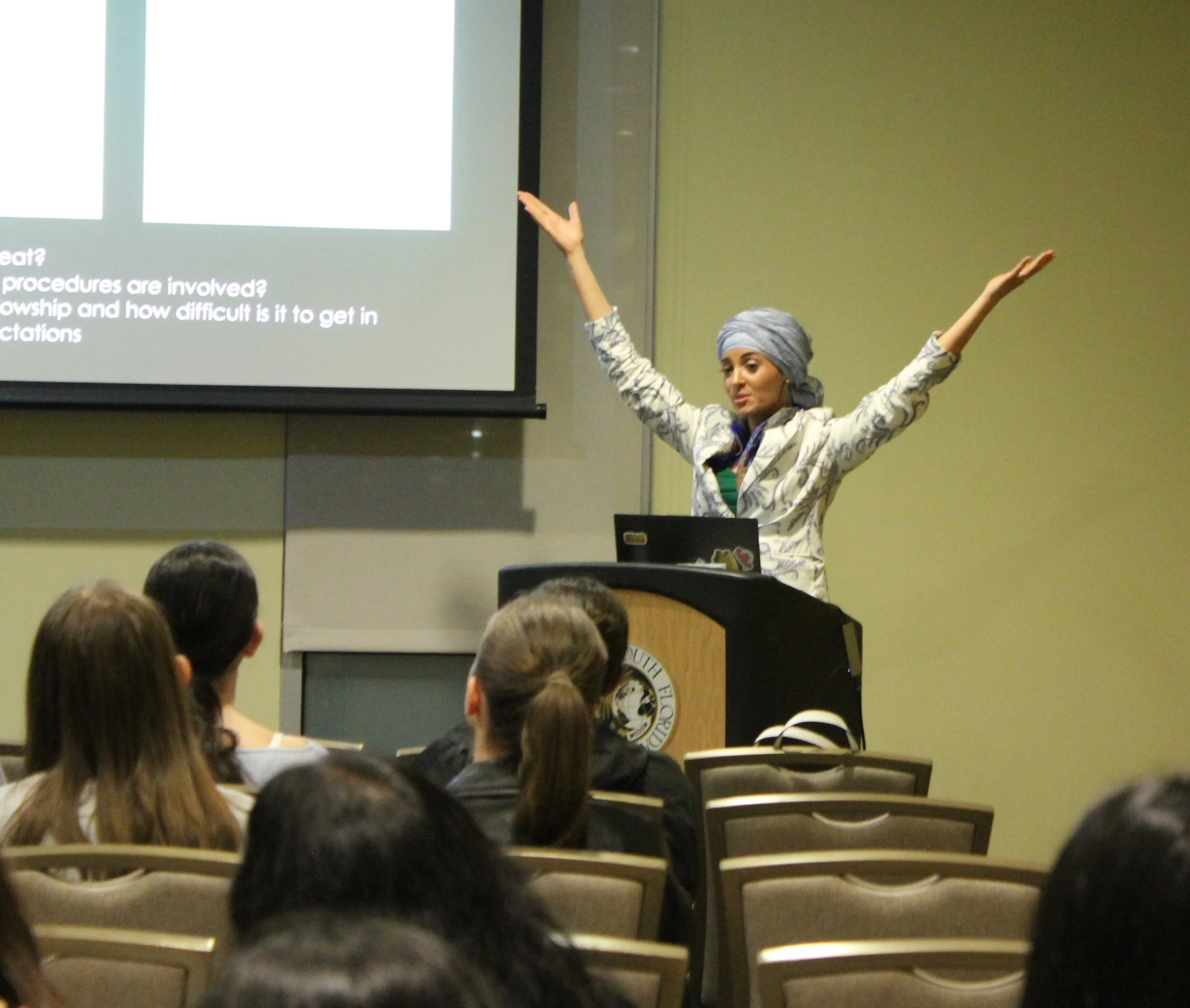
the movement is collaborative
The shift to SWANA isn't just about a change in letters; it’s a change in perspective. It’s about seeing a region not as a problem to be solved, but as a vibrant, multifaceted source of human creativity.
At NY/LA Productions, we are more than a production house. We are a bridge between the old guard of media and the new wave of authentic creators. We believe that when we tell stories correctly, we remind the world that we are more alike than we know. We are woven together by the universal need to be seen, heard, and understood.
Are you ready to update your narrative?
Whether you are a university dean looking to modernize your curriculum or a media conference organizer seeking a keynote that actually resonates with 2026 audiences, we are here to help. This isn't just about a blog post; it’s about joining a movement to reclaim the agency of our storytellers.
Let’s build something that lasts beyond the next news cycle. Reach out to us through our contact page to discuss how we can bring the SWANA shift to your next event.
Together, we can ensure that the stories of tomorrow are as rich, complex, and beautiful as the people who live them.
Your story deserves a voice. Let’s make it heard.
Want to dive deeper into how we support filmmakers? Check out our Ultimate Guide to Fiscal Sponsorship or explore our current projects to see the SWANA shift in action.
