
MENA vs. SWANA: Why Cultural Equity Matters in Your Next Media Speaking Engagement
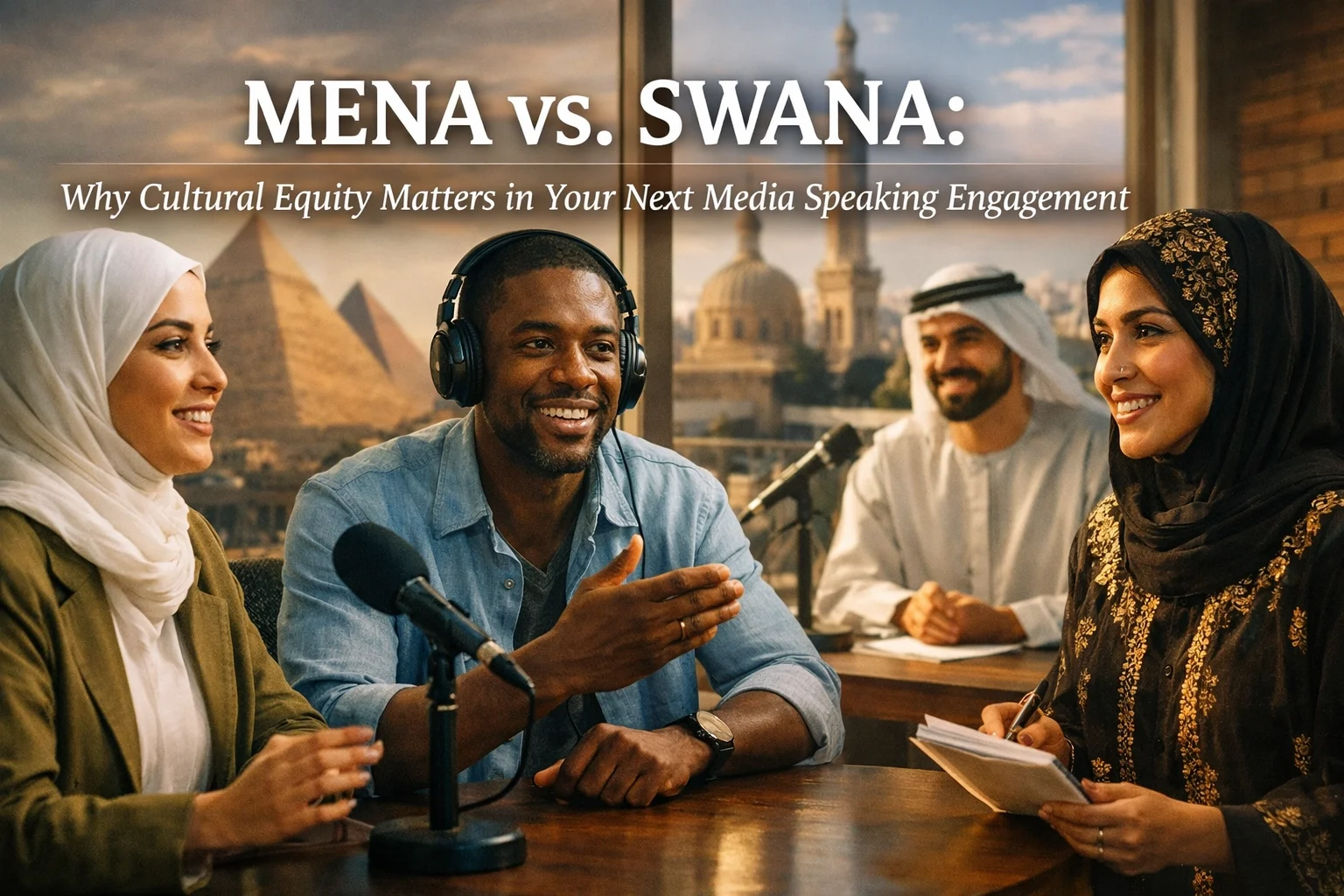
have you ever stood on a stage and felt like the title under your name didn't actually belong to you?
have you ever looked at a conference program and seen yourself grouped into a category that feels more like a convenient box than a true reflection of your heritage?
at NY/LA Productions, we believe that words are more than just labels. they are the architecture of our identity. when we talk about cultural equity, we are talking about the right to be seen exactly as we are: not as a colonial footnote or a marketing demographic.
today, the conversation is shifting. we are moving from MENA to SWANA. it’s a shift that might seem subtle to an outsider, but for those of us in the industry, it is a radical act of reclaiming agency.
what is the difference between mena and swana?
to understand the future of media, we have to look at the language of the past.
MENA stands for Middle East and North Africa. it is the term most of us grew up with. it is the term used by governments, census bureaus, and corporate diversity panels. but where did "middle east" come from? it was coined by 20th-century colonial powers. it is a term that defines a region based on its proximity to europe.
SWANA stands for Southwest Asia and North Africa.
this isn't just a political preference. it is a geographic truth. by using SWANA, we are centering the land and the people rather than a colonial perspective. it is an inclusive term that honors the incredible diversity of the region: spanning across different religions, languages, and ethnic identities that the "middle east" label often flattens.
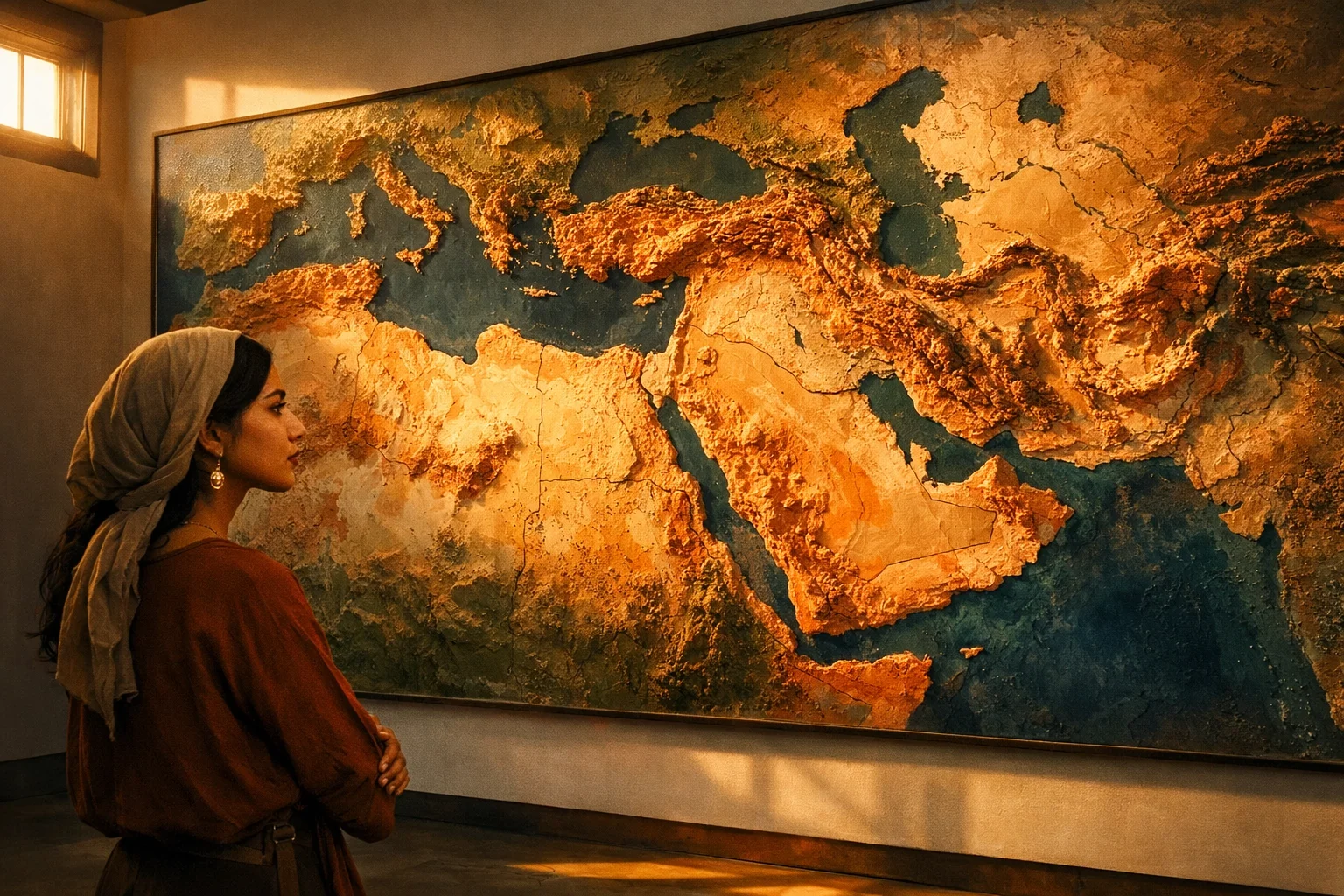
why terminology is the foundation of equity
diversity isn’t noise; it’s harmony. but you can’t have harmony if you’re forcing everyone to sing the same note.
in the world of film and media, precision is our greatest tool. when we use broad, sweeping terms like MENA, we risk erasing the nuances of the communities we represent. cultural equity starts with the acknowledgment that a filmmaker from morocco, a digital artist from lebanon, and a speaker from iran have distinct cultural lineages.
when we use SWANA, we are choosing a term that is rooted in self-determination. for media professionals and event organizers, adopting this language is the first step in moving beyond performative diversity toward genuine inclusion.
at NY/LA Productions, our mission is built on amplifying marginalized voices. we know that when we get the names right, we get the stories right.
the danger of the media monolith
for decades, mainstream media has treated the SWANA region as a monolith. the data tells a sobering story. between 2015 and 2016, studies showed that nearly 78% of characters from this region in primetime TV were depicted as terrorists, villains, or agents of conflict.
it doesn’t stop there. women from the region are often trapped in two extremes: either hyper-religious and silent or hyper-sexualized. these are orientalist stereotypes that speak about us, rather than allowing us to speak for ourselves.
even worse, the media often conflates SWANA identities with South Asian and Sikh communities: a trend that skyrocketed in the post-9/11 era. this "indiscriminate" labeling in popular discourse erases the specific histories and struggles of each group. it turns us into a generic "other."
this is why your next media speaking engagement matters. when you step onto that stage, you aren't just representing yourself. you are challenging decades of harmful storytelling.
why event organizers should prioritize nuanced understanding
if you are organizing a media conference or a film festival, you have a responsibility to the speakers you invite.
asking a creator to speak on a "MENA panel" without understanding the internal diversity of that group can feel like a box-ticking exercise. it places the burden of education on the speaker rather than the institution.
here is why organizers need to prioritize the SWANA framework:
it signals safety: using modern, inclusive terminology tells speakers that your organization has done the work. it shows you respect their identity.
it improves content quality: precision leads to better insights. a panel focused on "southwest asian storytelling" will yield much more specific and valuable takeaways than a generic panel on "middle eastern media."
it reaches new audiences: the younger generation of creators: Gen Z and Millennials: are already using SWANA. if you want to remain relevant, your language needs to evolve with the community.
when we consult on project development, we always emphasize that the audience can feel when a project is authentic. the same applies to live events.
reclaiming agency on the stage
for creators, speaking engagements are more than just a networking opportunity. they are a platform to reclaim agency.
when you are invited to speak, you have the power to define the terms of the conversation. don't be afraid to ask for your bio to be updated. don't be afraid to explain why you prefer SWANA over MENA.
your identity is not a barrier to your professional success; it is the source of your unique perspective.
we’ve seen how powerful this can be through our work in fiscal sponsorship. when filmmakers are empowered to define their own narratives from the funding stage all the way to the premiere, the work becomes a bridge rather than a wall.
how to move forward: a collaborative effort
achieving cultural equity in media isn't something that happens overnight. it is a constant process of unlearning and rebuilding.
if you are a creator, keep pushing for the language that fits your soul. if you are an organizer, lean into the discomfort of change.
here is a simple framework for your next engagement:
research first: understand the specific heritage of your speakers. avoid grouping them solely by religion or geographic proximity to europe.
ask, don't assume: ask your speakers how they self-identify. do they prefer SWANA, MENA, or a specific national identity?
center the "insider" perspective: true representation requires involving members of the community in the planning process, not just the final presentation.
invest in the work: equity takes resources. whether it’s through donating to non-profits that support these creators or hiring consultants, make sure you are putting your money where your mission is.
join the movement
at NY/LA Productions, we aren't just making films; we are building a legacy of truth. we believe that every story told with precision and passion has the power to change the world.
whether you are looking for a speaker who can bring these nuances to your event, or you are a filmmaker looking for a home for your next project, we are here to help.
our community is more alike than they know, woven together by a shared desire to be seen and heard.
let's stop settling for the boxes they built for us. let's build something better, together.
ready to amplify your voice?
explore our projects or get in touch with us to see how we can collaborate on your next speaking engagement or media production. the stage is yours( let’s make sure they get the name right.)
